

Orbital Light Pollution
Can you imagine a future where a company could turn the lights on in the night sky, essentially shining out the dark? Or a future where there is no longer a truly dark sky? Well, this isn’t science fiction, this is happening. Satellites and other artificial objects in Earth’s orbit, including proposals for new orbital illumination systems, will add to the already declining darkness in our night. Without dark, all living beings on Earth will be thrown off our natural cyclical rhythms with a dangerous upset to life as we know it, including stressing our food supplies and causing illness.
A couple of weeks ago, I wrote about how I don’t want to colonize the moon. A few weeks prior to that, I wrote about living in cyclical time, which includes our internal circadian rhythms, the way our body has evolved since our ancient ancestors reacted to night and day, letting us know when to sleep, wake up, mate and menstruate.
In recent studies, researchers including physicist Miroslav Kocifaj have shown through a computer simulation that sunlight scattered off satellites and orbital debris may now be adding a permanent artificial glow to the night, brightening the sky by at least around 10 percent above natural levels, enough for astronomers to class it as light‑polluted.
SpaceX wants to launch a million additional satellites to create an orbiting AI computing network.
Reflect Orbital, a California startup, wants to hang mirrors in orbit and use them to bounce sunlight back down to Earth. Their plan is to dial that reflected light anywhere from a soft full‑moon glow to something closer to full noon. The pitch is that you could keep solar farms humming after dark, or flip on an artificial day over disaster zones at night.
Ruskin Hartley, who runs DarkSky International, wrote on LinkedIn in response to the proposal, “…this concept fundamentally conflicts with responsible lighting principles and poses serious risks to wildlife, human health, astronomy, and the shared nighttime environment. The night sky is not empty space. It’s a global commons — and decisions like this demand transparency, science-based review, and public accountability.”
The presidents of four international sleep and circadian rhythm societies, along with 2,500 researchers, are asking the U.S. government to take a hard look at these proposals and issue a full environmental review before anything moves forward.
Charalambos Kyriacou, a chronobiologist at the University of Leicester and president of the European Biological Rhythms Society, in recent coverage about proposed reflective satellite mirror systems and orbital lighting, along with other society presidents, warned that altering natural light–dark cycles from space could disrupt biological clocks that regulate human sleep and hormone production, and could also disturb animal migration, seasonal plant behavior, and marine phytoplankton that support ocean food webs.
If these proposals go through (or eventually many more like them) the trajectory of our future will shift subtly but immensely.
Why Darkness is Necessary for Humans
Around the world, sleep would get shorter and lighter if nighttime darkness is reduced. Human bodies rely on dark nights to trigger melatonin, keep sleep cycles stable, and coordinate hormones that affect metabolism, mood, immunity, and even cancer risk. Take that darkness away and you get more insomnia, metabolic disease, depression, and a general hit to health and resilience over time. Rates of obesity, diabetes, mood disorders, cardiovascular disease, cancers, and immune problems will slowly climb, because chronic circadian disruption will become the default mode. By midlife, most people will need medication to sleep and then more to wake up. The already strained mental health care system will sink under the load of chronic anxiety, depression, and attention problems linked to scrambled bio-clocks.
Why Dark is Necessary for Other Animals
Non‑human animals lean on the same light–dark signals even more so. Migratory birds use stars, polarized light, and a reliable dark sky to navigate. With lighter skies they will fly off course more often, collide with lit structures, or arrive at the wrong time for food.
Nocturnal species use dim skies to migrate, hunt, hide, and mate. When nights get brighter, they move at the wrong time. Predators will be able to see better for more hours, and prey will have fewer safe windows, causing them to avoid once‑safe areas entirely. Behaviors built around darkness will shift entirely. Some species will adapt in warped ways, but many will decline.
Amphibians call and mate less under bright nights because light scrambles the cues and conditions they evolved to rely on for reproduction. Most frogs and toads call at night to attract mates, and they time that calling with darkness, temperature, humidity, and lunar phase. Artificial light at night interferes with these cues, which cuts down on actual calling time. When amphibian populations thin, they will take insect control and food for other animals with them.
Insects are drawn to light, die around it in huge numbers, and that ripples up the food chain to bats, birds, amphibians, and everything that eats them. Over decades, that means quieter nights without the songs of crickets and katydids, fewer pollinators, and disrupted food webs that support the ecosystem as we know it.
Why Dark is Necessary for Plants and Plankton
Plants also sense day length and darkness. Extra light at night can confuse seasons, shift flowering times, and throw off the balance between plants and the insects that pollinate them. Light also seeps into the ground. Soil microbes reshuffle under prolonged illumination and weaken plant health over time.
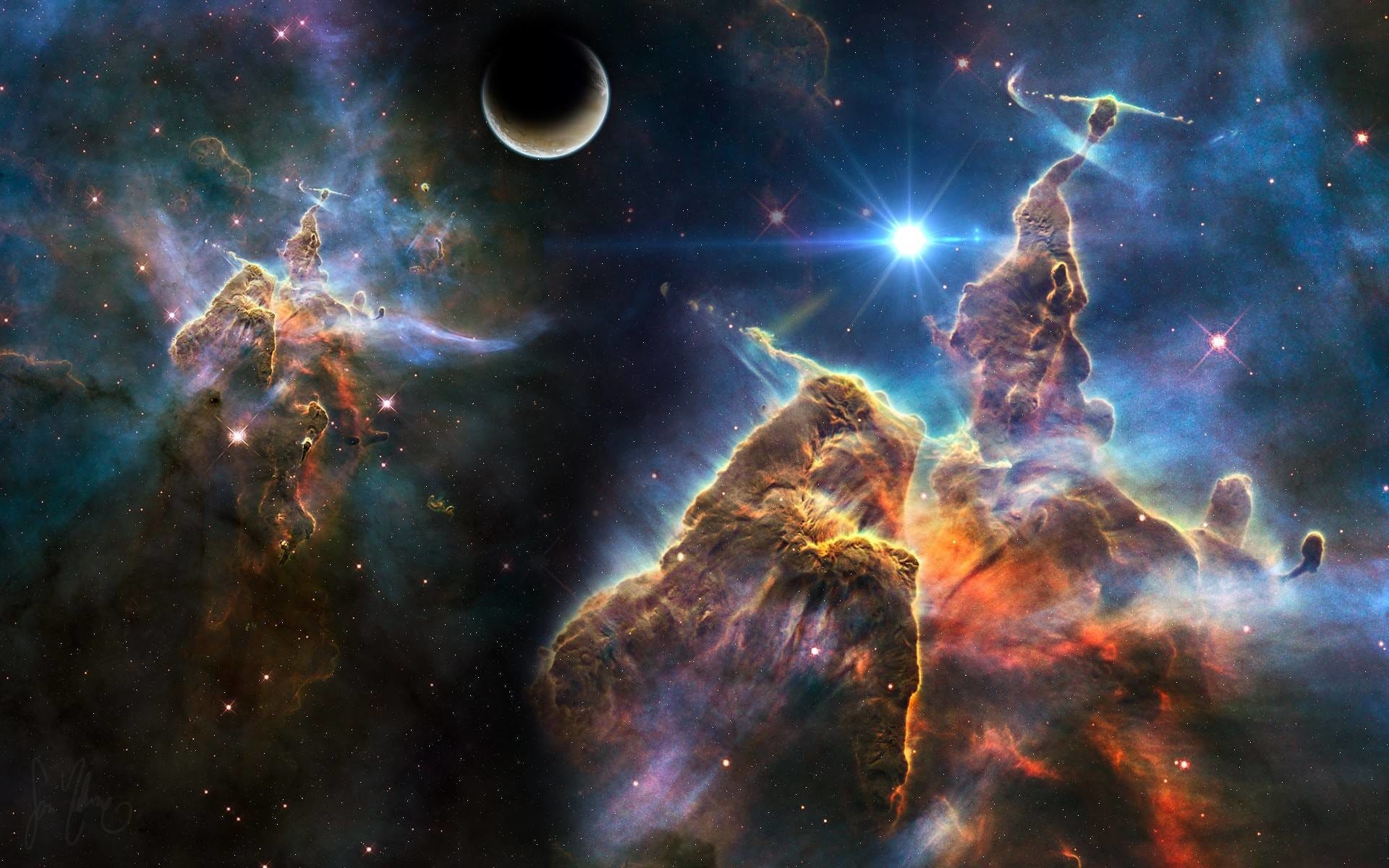
In the oceans, marine phytoplankton sets the base for the food chain, and changing their light environment can change when and how they grow, which effects fish, seabirds, and fisheries. Artificial light spilling from coasts, platforms, ships, and orbital reflections penetrates surprisingly deep into the sea. Phytoplankton, tuned to day–night cycles, get a longer period of light almost everywhere near human activity. When light increases, some groups bloom more often or at odd times, including species that fuel harmful algal blooms and low-oxygen dead zones.
Zooplankton, which usually rise to the surface to feed under cover of darkness, will start to avoid lit layers, or shift their migrations. Fish that depend on those nightly movements will lose a predictable food source, and the timing of entire marine food webs will be thrown off.
How Does This Effect Our Food Supply
With lighter skies, our ecosystem will get weaker and more prone to climate stress, pollution and new pathogens. Food webs will have fewer species and a lot less resilience. As biodiversity drops, agriculture becomes more vulnerable to droughts, floods, pests, and disease outbreaks, and yields get more erratic over time. As more species disappear or decline, we will lean harder on a few global staple crops and livestock, which will themselves be more exposed to new pathogens and climate shocks. That means less nutritional diversity in our diets and a higher risk that one blight can take out a chunk of the food supply.
Keep Our Future Dark
All this adds up to a less functional habitat. More chronic illness in humans, less stable wildlife populations, weaker pollination and pest control, and food systems that face yet another stress on top of heat, drought, and pollution.
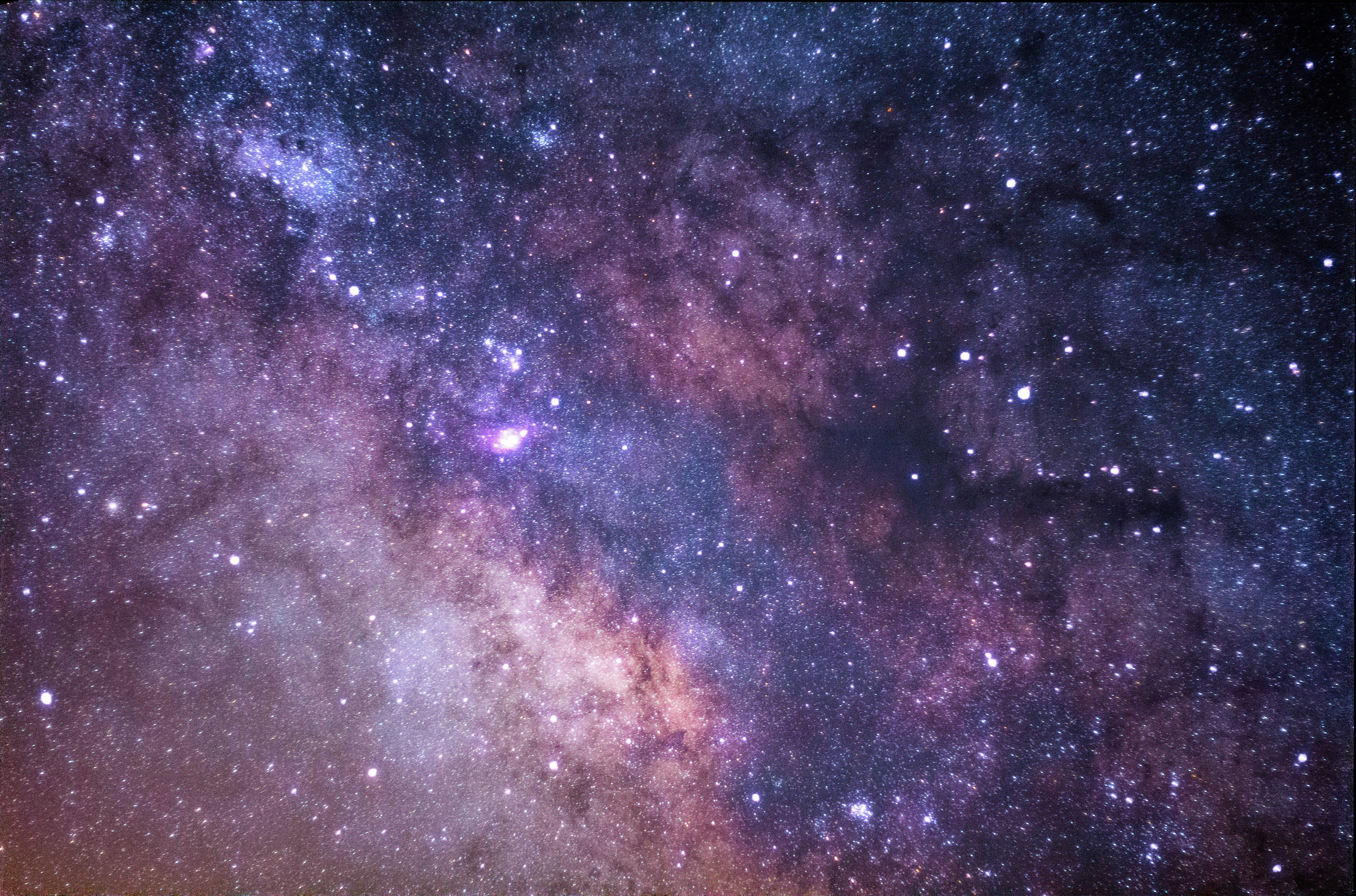
Just a bit more light at night can change the way every living being on the planet has evolved to operate. Imagine a future where you can no longer see the Milky Way Galaxy or the constellations that our ancient ancestors created great mythic tales about and children can only see photos of what the night sky used to look like long ago.
Sign DarkSky’s open letter opposing Reflect Orbitals proposal
You may also like:


Throw Away Your Clocks and Follow the Moon

Daylight Savings Time shuffles my body around, trips up my inner clock. My morning light suddenly becomes dim evening light. My evenings are suddenly loud and gloriously flaming into night. How ridiculous that we treat time like this, as something to play with to suit our outdated agendas? While we are captive to the world of clocks to set our watches, calendars and schedules by, though our own bodily rhythms push against these constructs, I remind myself that despite it all, time is not linear.
It is really disturbing. And the fact that space isn't a clear government jurisdiction so who is going to regulate it? Eric and I want to do a podcast about this because he totally disagrees with me and thinks we should put all the data centers in space.
I don't worry as much about direct effects on human health. If we know what the cause is, we can just have solid shutters on our windows and block out the light. I worry more about overall ecosystem damage, which will get humans in the end anyway.