
Extra: How We Saved Six Figures Moving Off-Grid
Bonus: For paid subscribers, I break down even more savings I didn't cover in the original Forbes article.

Note: As promised here’s the story I originally published on Forbes, followed by the extra savings breakdown after the paywall.
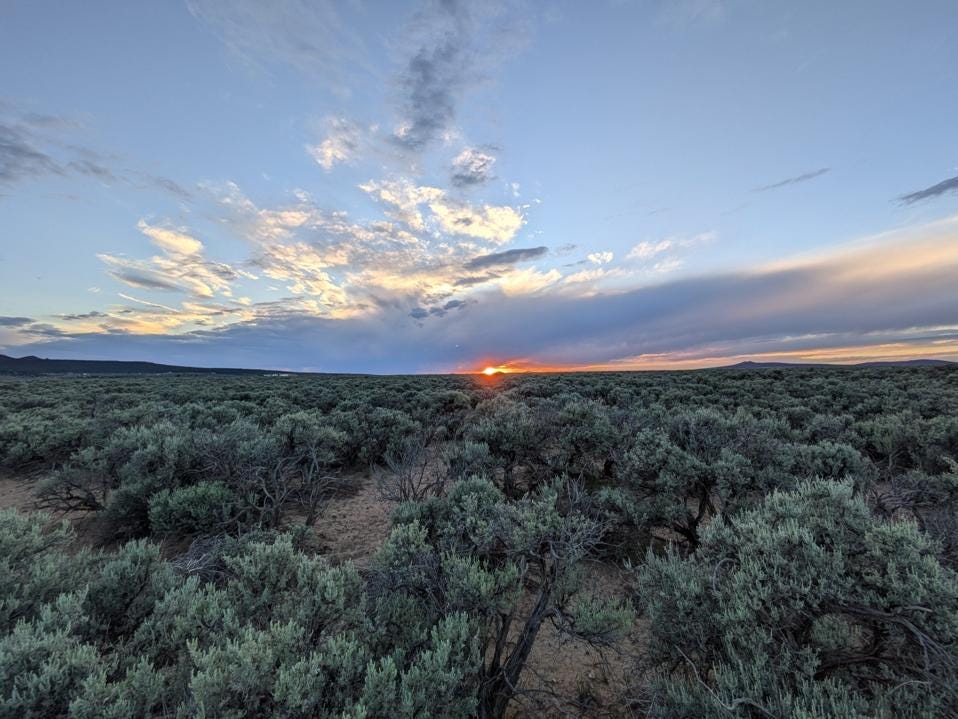
When Covid shut the world down in 2020 my family and I lived in a traditional ranch-style suburban house at the end of a cul-de-sac in our small town. At that height of uncertainty, my family took a big risk on a major purchase and lifestyle U-turn: we moved into a small, unfinished home off the grid in the high desert here in New Mexico.
It was unclear when we signed the paperwork in week three of Covid lockdown -- while standing in a local bank parking lot-- whether we were making a savvy or stupid investment. Emboldened by the historical gravity of the moment, we nonetheless liquidated our savings and went all-in.
Over five years later, the verdict is now clear: it was an accidentally savvy move that has already paid for itself three times over.
Big Off The Grid Numbers
Conservatively we’ve saved roughly $150,000 in rent and another $25,000 in utility bills over the past five and a half years. That easily covers the $35,000 purchase price of the property and structure, plus another $15,000 - $20,000 to complete the home by installing a solar power system with generator back-up, adding rain catchment, water storage, efficient appliances and finishing plumbing and electrical installations.
The remaining savings has made it possible for us to begin expanding and in the past 18 months we’ve nearly doubled the square footage of the home while adding an attached greenhouse.
Breaking Down The Savings Off The Grid
During the nearly 6 years since Covid first struck the US, housing costs in our county in New Mexico have more than doubled. Statistics bear this out (by some measures the cost of rental housing is actually up 130 percent), as does the actual rent being charged for the previous two places my family lived prior to Covid. The 66 months of rent we didn’t have to pay comes out to around $150,000.
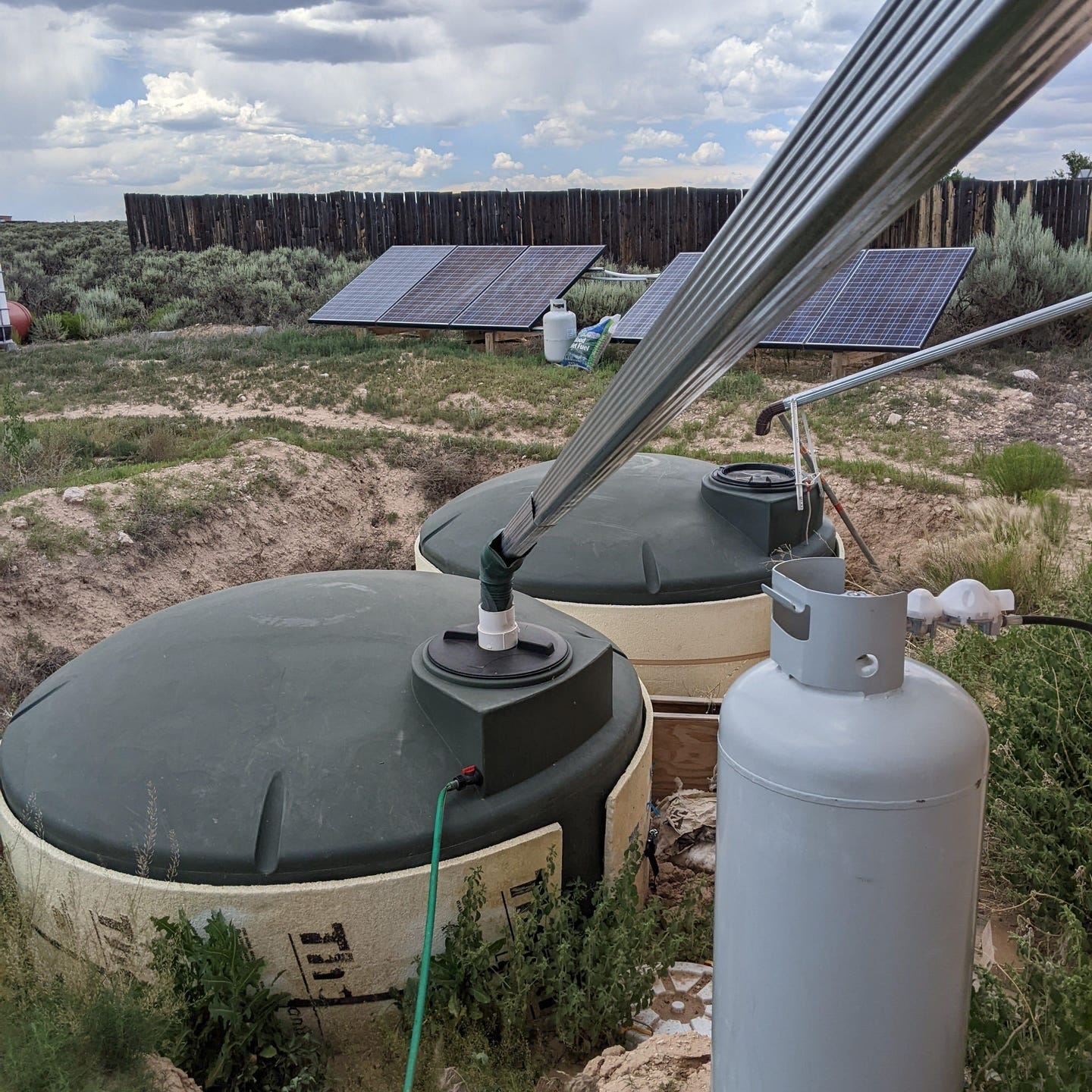
We no longer have a monthly electric bill. Our solar system is the most magical part of our lifestyle, thanks to the especially abundant sunshine in the US southwest. After setup, maintenance is essentially zero with the lifespan of panels at a couple decades and batteries and other components lasting a decade or more.
Water is also free when it rains and hauling from a nearby spring for free is also an option, but the road to that source is rough so we’ve opted into a community deep well that’s much more convenient. We pay a few cents a gallon for that water, but we’re much more efficient with our water use than the average household, recycling all of our grey water directly into garden beds on the property.
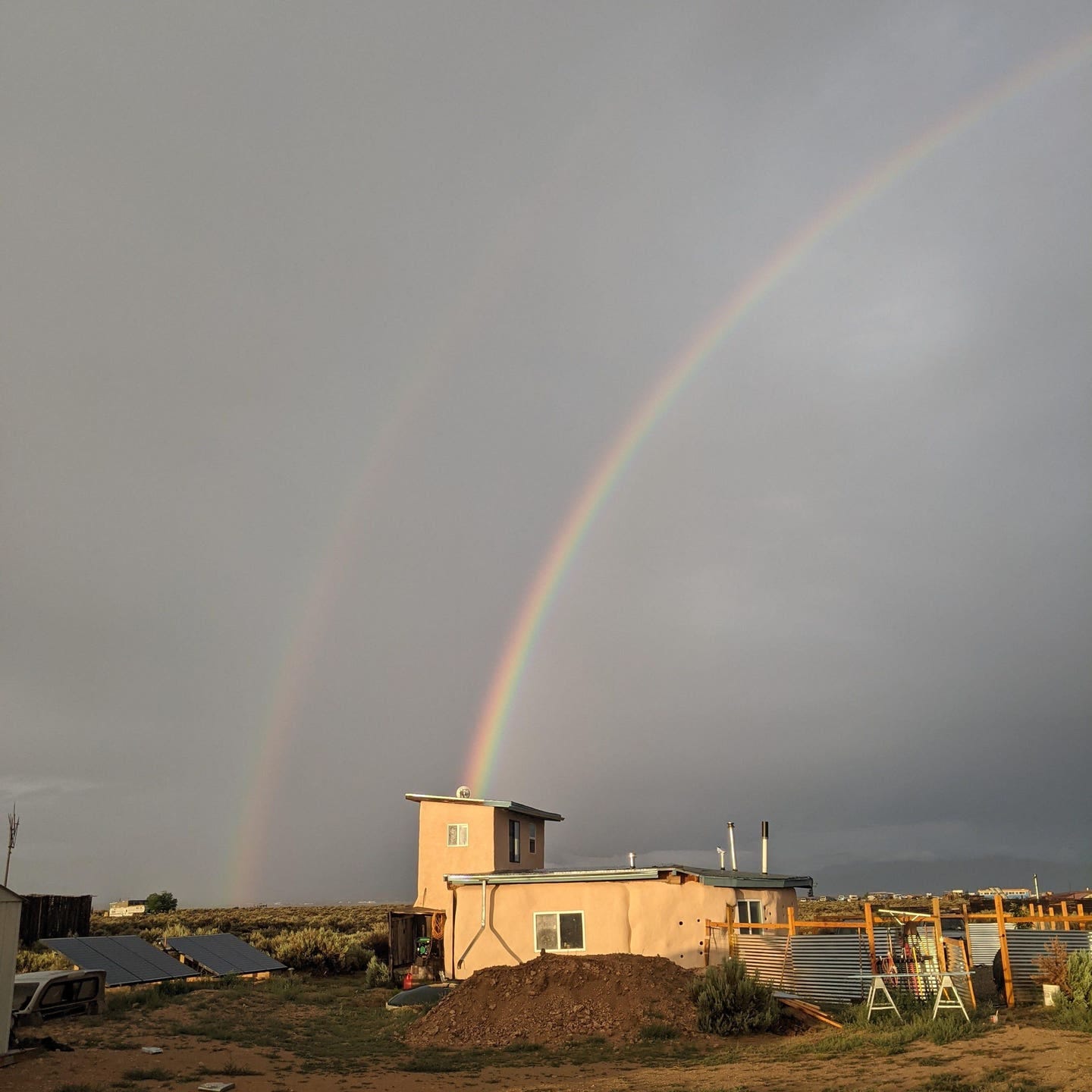
We’ve opted for wood pellets and propane for heat and cooking, and our home is made of thick straw bale walls that are also uber efficient. This keeps the cost of these energy sources minimal. We’re considering installing a conventional wood stove and gathering our own firewood to drive the cost down and increase self-sufficiency (stores do run out of pellets) even more.
Add all the utility savings together and it comes out to around an additional $25,000 since April 2020.
The Catch(es)
There’s a number of reasons we were able to purchase our off-grid home for what many households typically spend on a new car. Increasingly, off-grid living is a topic of fascination and even romanticization, but supplying your own power, water, heat and other utilities takes a significant amount of effort. So unsurprisingly, off-grid properties are just cheaper by their very nature.
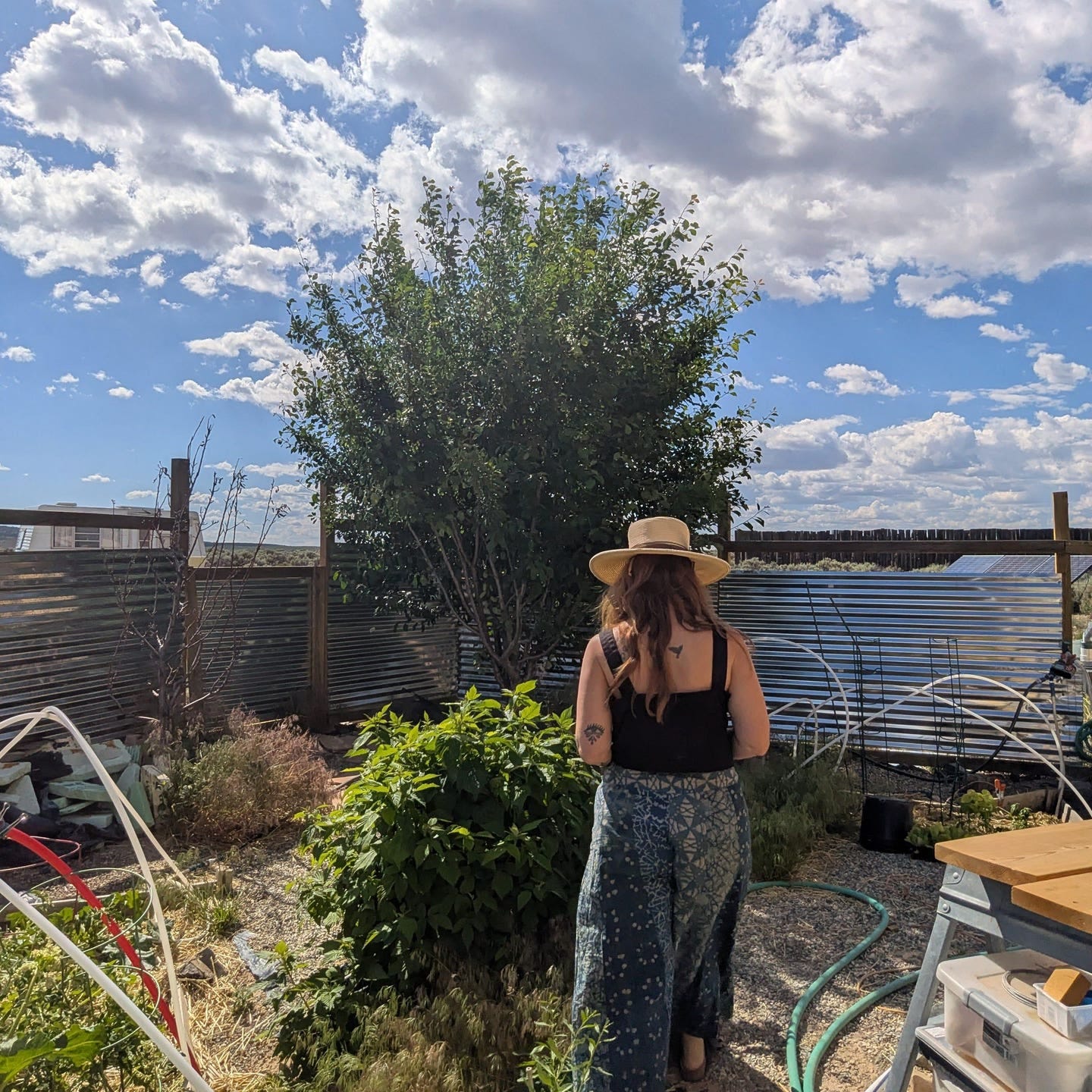
On top of this, the raw land where we are could (somewhat fairly) be described as “wasteland” by some. The soil isn’t very arable and is typically covered in sagebrush. It’s high desert with plenty of sun (and wind in spring), more precipitation than you might think but still less than most places. A big deal breaker for some here is the rather ridiculous lack of surface or ground water (you’d likely have to drill at least 600 feet to reach our very deep water table).
One red flag that many conventional property shoppers can’t get beyond is that our subdivision and many in the area were also part of a massive land scam in the 1960s, compounded by numerous missing public records, which makes it very difficult to get title insurance or financing for purchasing or developing property here.
All these factors combined have driven prices for land and properties in our neighborhood way below what we would expect to pay in the famed tourist town 20 minutes away where we lived before Covid.
The Big Question Off The Grid (and Answer)
We didn’t fully understand it at the time we signed the papers and took ownership in early April 2020, but with the benefit of hindsight and some key numbers I can now say it all came down to one critical calculation and question: Is taking on the responsibility of independently sourcing and maintaining all the infrastructure and amenities most Americans offload to local governments or utilities worth a 90 percent discount on the cost of purchasing a home (without even factoring in the reality of mortgage interest and other financing costs)?
So far, the answer has been a resounding yes. When we first made the move, I was not nearly so sure. In fact, had the opportunity come up just a few months earlier, I’m quite sure I would have dismissed it as too big a risk and a poor fit for my skills and situation.
I wasn’t wrong about the risk. Plenty goes wrong out here, from a rare extreme wind event that tore the roofs of multiple neighbors’ homes, to crime and other nuisances that could be encountered anywhere. I do think that some of the risks and annoyances associated with home ownership can be heightened when you live in both a manner and an area considered to be at the social fringes. Response times for help are longer, resources are fewer and the fringes can attract some pretty interesting and occasionally challenging characters. My entire adult life has been lived off the beaten path, where I’ve learned that the fringes of society are paradoxically where you’ll meet both its most depraved and most admirable individuals.
I also wasn’t wrong about moving off-grid and jumping in to full-time self-sufficiency mode being a terrible fit for my skills. Fortunately my wife and I had a willingness to acquire some of those skills and that’s proven to be sufficient.
Off The Grid Savings: The Bottom Line
If something were to go catastrophically wrong with our house (that isn’t covered by our homeowners insurance - yes, standard policies for off-grid homes aren’t hard to find), at this point I would still feel good about the purchase. Based solely on the amount we’ve saved on paying neither rent nor a mortgage for over 5 years, it’s been very worthwhile.
And that’s to say nothing of the wealth of skills and experiences that we’ve gained over that same period. As a friend once remarked during a visit - “maintaining this place is like learning multiple trades at once.”
It’s true. It’s not easy off the grid. It’s not for everyone, but for the right person it pays major dividends.
Now Here’s What I Left Out (Paid Subscribers Only)
Necessity isn’t just the mother of invention, it also spawns independence, resilience and many DIY projects with varied results.
